Tupelo Police Clarify Use of License Plate Readers Amid Privacy Concerns
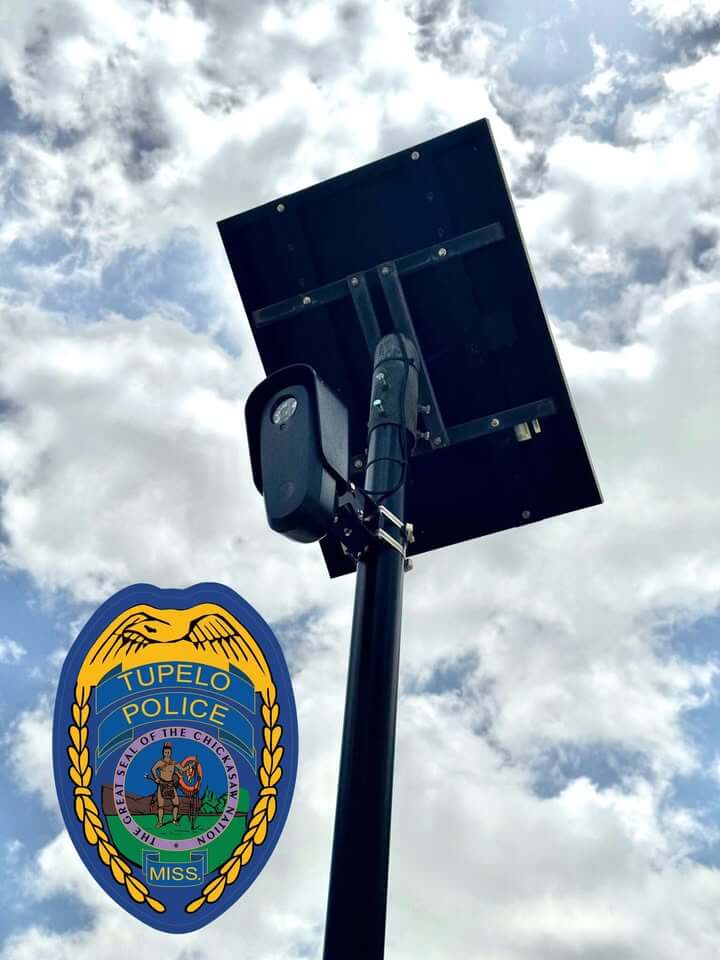
The Tupelo Police Department has responded to increased national scrutiny over the use of license plate reader technology, also known as LPRs. Chief John Quaka emphasized the department’s commitment to transparency regarding how the technology is used and the safeguards in place.
Department officials clarified that LPRs capture images of license plates and vehicle characteristics to assist in investigations involving crimes, missing persons, and endangered individuals. They do not identify drivers or passengers and are not used to track the daily movements of law-abiding citizens.
Access to LPR data is restricted to authorized personnel and is subject to logging and auditing. The department’s technology division regularly reviews system activity to ensure compliance with policies and laws, officials said.
The Tupelo police also clarified that the city does not use LPRs or similar technology to issue traffic tickets. Instead, the system is an investigative tool that has helped solve violent crimes, recover stolen vehicles, locate suspects, and assist in case resolutions.
Officials stressed that LPR technology captures publicly visible information and is comparable to traffic cameras, toll systems, and private security cameras used daily across the country. The department intends to continue using lawful tools to enhance public safety while ensuring responsible and lawful use of the technology.
Source: Original Article